Everyday habits that quietly harm your teeth and gums
How stress, sugar and smoking are damaging oral health in modern life
- By Gurmehar --
- Monday, 06 Apr, 2026
In today’s fast-paced world, most people focus on work, family, and daily responsibilities. In this busy routine, oral health often gets ignored. Many people only think about their teeth when they feel pain or discomfort. However, long before any pain starts, daily habits are already affecting the health of teeth and gums.
Experts say that modern lifestyles are quietly harming oral health. Factors like stress, unhealthy food choices, frequent snacking, and tobacco use are increasing dental problems. These issues may not be visible at first, but over time they can lead to serious conditions such as cavities, gum disease, and enamel damage.
Doctors explain that oral health is closely linked to overall lifestyle. What we eat, how we manage stress, and the habits we follow every day all play an important role in keeping our teeth and gums healthy.
How modern habits affect oral health
One of the biggest factors affecting oral health today is stress. Many people do not realise that stress can have physical effects on the body, including the mouth. A common problem linked to stress is teeth grinding, also known as Bruxism. People often grind their teeth while sleeping or when they are anxious.
Over time, this habit can wear down the enamel, which is the protective outer layer of the teeth. It can also cause jaw pain, headaches, and even cracks in the teeth. Stress can also weaken the immune system, making it harder for the body to fight infections, including gum infections.
Another major issue is sugar consumption. Sugar is one of the main causes of tooth decay. When we eat sugary foods, bacteria in the mouth feed on the sugar and produce acid. This acid attacks the enamel and slowly creates cavities.
What makes the problem worse is that sugar is present in many hidden forms. Packaged foods, soft drinks, and even some snacks contain high amounts of sugar. People may not realise how much sugar they are consuming daily.
Frequent snacking is another harmful habit. When people eat often throughout the day, especially sugary or processed foods, the mouth remains in an acidic state. Normally, saliva helps clean the mouth and neutralise acids. But constant eating does not give saliva enough time to do its job. This increases the risk of plaque buildup and tooth damage.
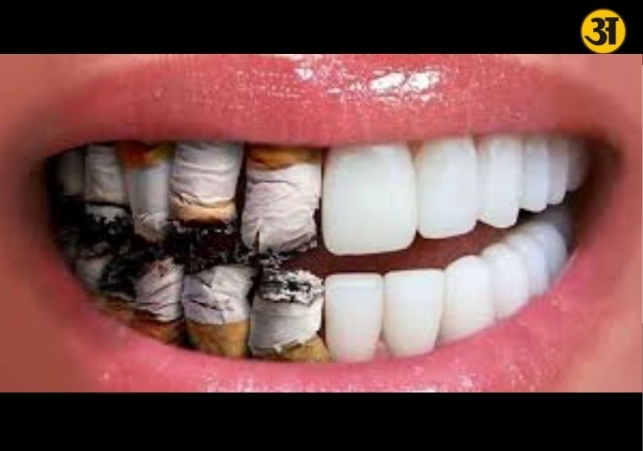
Tobacco use is one of the most harmful habits for oral health. Smoking or chewing tobacco can lead to serious problems like gum disease, delayed healing, and even Oral cancer. Tobacco also reduces blood flow to the gums, which can hide early signs of disease. As a result, problems may go unnoticed until they become severe.
ALSO READ: Iran launches manhunt for missing US pilot after fighter jet shot down
ALSO READ: Iran names key Gulf bridges as potential targets after strike on its major bridge
Why early care and simple changes matter
Many dental problems start with small symptoms. These may include slight tooth sensitivity, mild gum bleeding, or irritation. Because these signs are not very painful, people often ignore them. However, ignoring these early symptoms can lead to bigger problems later.
For example, untreated gum issues can develop into serious infections. Similarly, small cavities can grow larger and require more complex treatment. Early detection is important because it makes treatment easier and more effective.
Lifestyle habits also affect how well dental treatments work. People who smoke or have poor eating habits may not heal properly after dental procedures. Treatments like implants or gum therapy may not be as successful if proper care is not taken.
The good news is that most of these problems can be prevented with simple changes. Managing stress is an important step. Activities like exercise, meditation, or proper sleep can help reduce stress and its effects on the body.
Reducing sugar intake is another key step. Choosing healthier foods and avoiding sugary drinks can protect teeth from damage. It is also helpful to limit snacking and give the mouth time to recover between meals.
Maintaining good oral hygiene is essential. Brushing twice a day, flossing regularly, and using mouthwash can help keep the mouth clean and free from harmful bacteria. Regular visits to the dentist are also important. Dentists can detect early signs of problems and provide timely treatment.
Quitting tobacco is one of the best decisions for both oral and overall health. It not only reduces the risk of dental problems but also improves general well-being.
In the end, oral health is not separate from daily life. It is deeply connected to the habits we follow every day. Small changes in lifestyle can make a big difference over time.
Taking care of your teeth and gums does not require major effort. Simple steps like eating healthy, managing stress, and maintaining hygiene can go a long way in protecting your smile.
Paying attention today can help avoid serious problems in the future. After all, a healthy smile is not just about appearance—it is an important part of overall health and confidence.
Related News